Why Ancient Grains Need Special Starters
Ancient grains behave differently in sourdough fermentation compared to modern wheat. Their unique protein structures, enzyme content, and bran composition require adapted starter techniques. A starter built specifically for ancient grains will produce better flavor, improved rise, and more reliable results.
Different grains also host different microbial communities. Rye starters are particularly active and fast-fermenting, while spelt and einkorn starters may need more time to develop. Understanding these differences is key to successful ancient grain baking.
Building Your Starter: Day-by-Day Guide
Day 1: Initial Mix
Ingredients: 50g whole grain flour (einkorn, rye, or spelt), 50g filtered water
Process: Mix flour and water in a clean jar until no dry flour remains. The consistency should be like thick pancake batter. Cover loosely (cloth or lid ajar) and leave at room temperature (70-75°F).
What to Expect: No visible activity yet. The mixture will look like wet flour paste.
Day 2: First Signs
Action: Discard half the starter. Add 50g fresh flour and 50g water. Mix well.
What to Expect: You may see small bubbles forming. The starter might develop a slightly sour smell. Some separation of liquid (hooch) is normal.
Day 3: Activity Increases
Action: Discard half, feed with 50g flour and 50g water. Mix thoroughly.
What to Expect: More bubbles, increased volume, stronger sour aroma. The starter should begin to rise noticeably within 6-8 hours after feeding.
Day 4-5: Peak Activity
Action: Feed twice daily (morning and evening). Discard half, then add 50g flour and 50g water each time.
What to Expect: Starter should double in volume within 4-6 hours. Bubbles throughout, pleasant sour smell, active and alive appearance. This is when your starter is becoming mature.
Day 6-7: Maturity Test
Action: Continue twice-daily feedings. Test readiness by observing rise time and performing a float test.
Float Test: Drop a small spoonful of starter into a glass of water. If it floats, your starter is ready for baking. If it sinks, continue feeding for a few more days.
What to Expect: Consistent doubling within 4-6 hours, predictable rise and fall, stable activity.
Maintaining Your Starter
Once mature, your starter needs regular feeding to stay active. The frequency depends on how often you bake and your storage method.
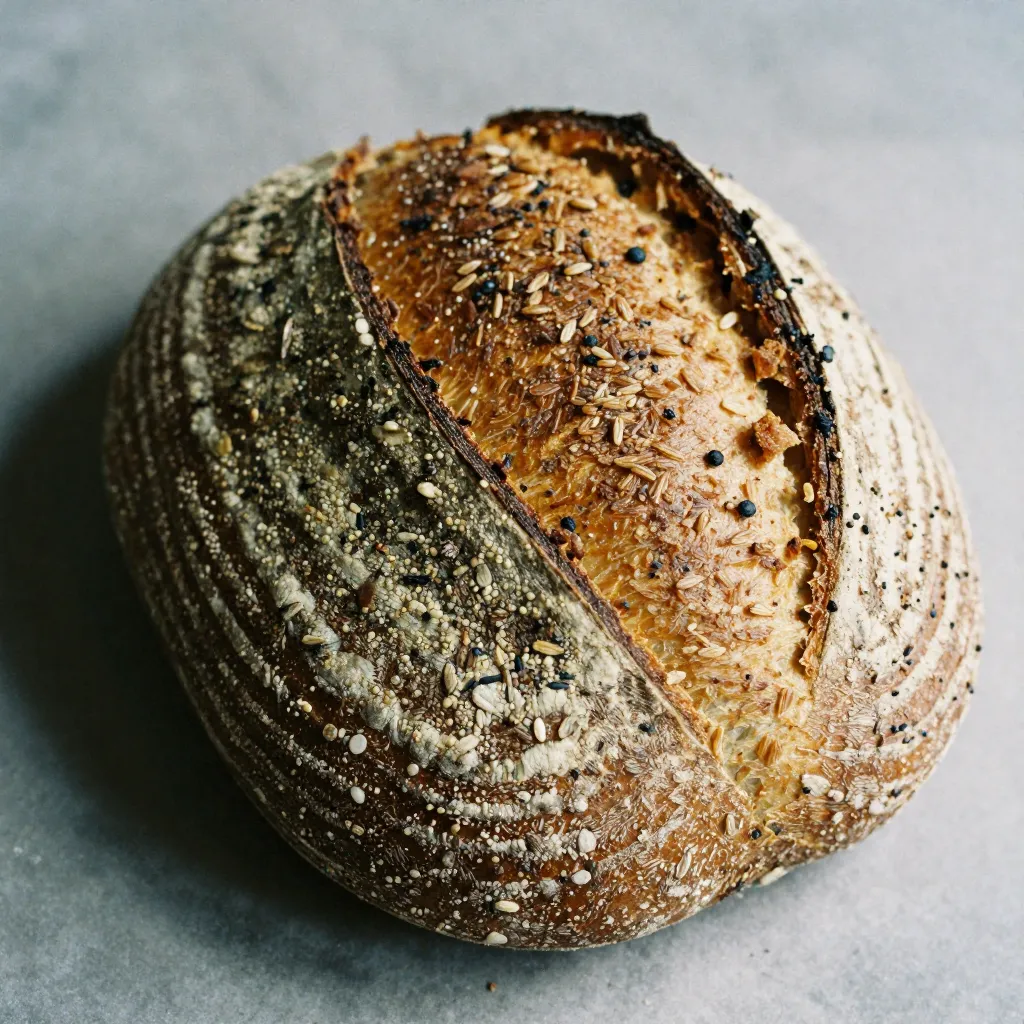
Daily Baking Schedule
Feed once daily at the same time. Keep at room temperature. Discard half, feed with equal parts flour and water. Use when it reaches peak (doubled in volume).
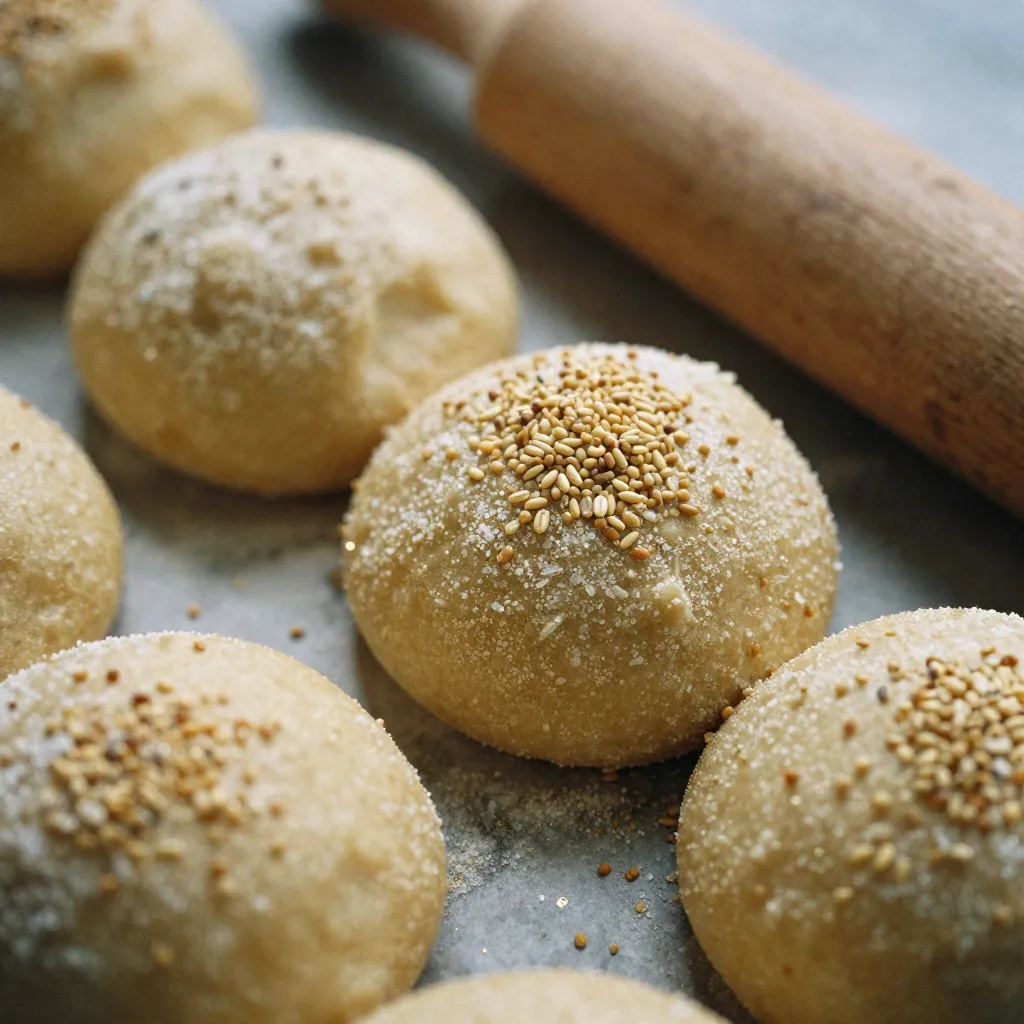
Weekly Baking Schedule
Store in refrigerator. Feed once per week. Remove from fridge 12-24 hours before baking, feed, and let it become active at room temperature.
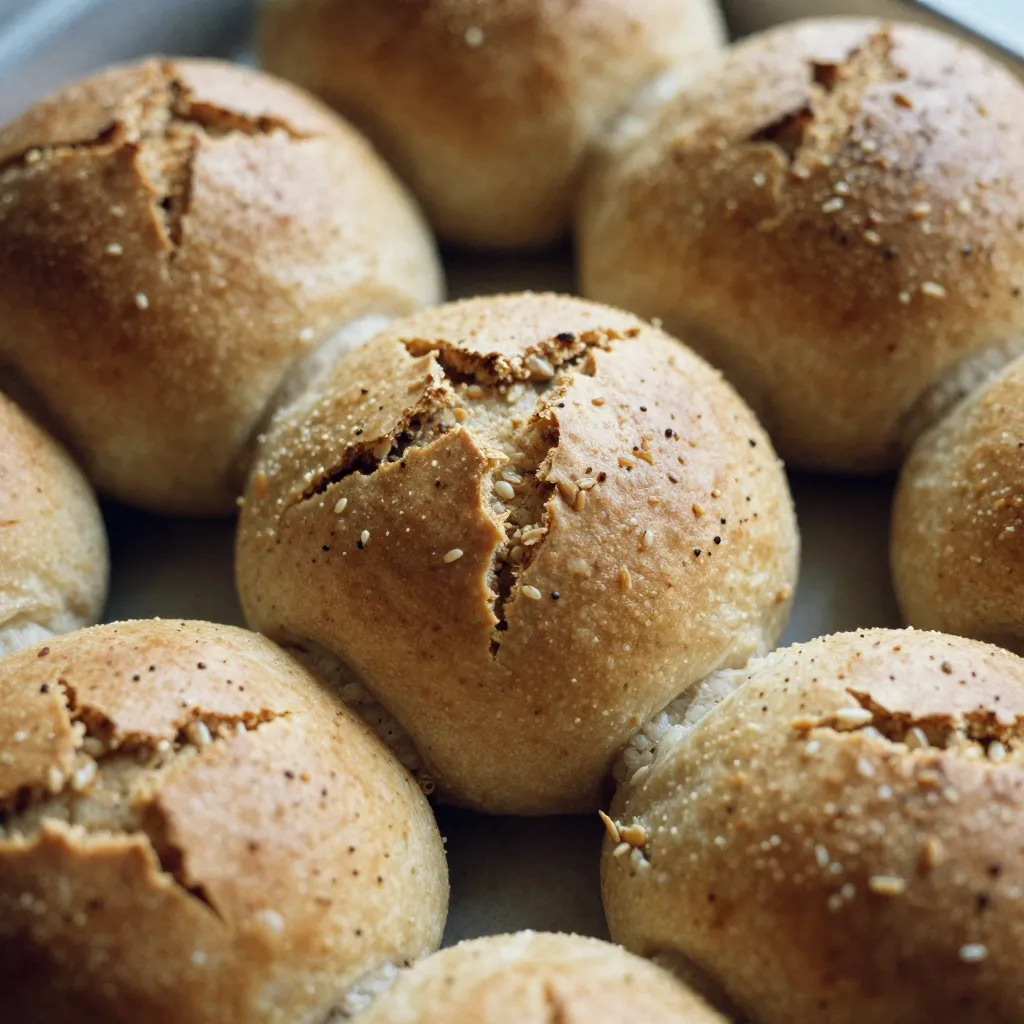
Occasional Baking
Store in refrigerator. Feed every 2-3 weeks. When ready to bake, remove from fridge, discard most of it, and feed daily for 2-3 days to reactivate.
Pre-Ferments for Ancient Grains
Pre-ferments like poolish and biga can enhance flavor and improve dough handling with ancient grains. These techniques allow for longer fermentation times, which develop more complex flavors.
Poolish (Liquid Pre-Ferment)
Ratio: Equal parts flour and water by weight, plus a small amount of active starter (5-10% of flour weight).
Process: Mix ingredients, cover, and ferment at room temperature for 12-16 hours. Should be bubbly and slightly domed when ready.
Best For: Spelt, Khorasan wheat. Produces open crumb and enhanced flavor.
Biga (Stiff Pre-Ferment)
Ratio: 50-60% hydration (less water than flour), plus 5-10% active starter.
Process: Mix to form a stiff dough. Ferment at room temperature for 12-18 hours, or refrigerate for up to 48 hours.
Best For: Einkorn, emmer. Provides structure and slow fermentation benefits.
Troubleshooting Common Issues
"My Spelt Starter is Too Watery"
Cause: Spelt absorbs water differently than other flours. The starter may appear more liquid than expected.
Solution: Reduce water slightly (use 45-48g water per 50g flour). The starter should still be pourable but slightly thicker. This is normal for spelt.
"My Rye Starter Ferments Too Fast"
Cause: Rye is highly active and contains more enzymes that accelerate fermentation.
Solution: Use lower hydration (40-45% water), feed more frequently, or store in a slightly cooler location. Consider using less starter in your recipes.
"My Einkorn Starter Won't Rise"
Cause: Einkorn has different gluten structure and may need more time or different feeding schedule.
Solution: Be patient—einkorn starters can take 10-14 days to mature. Ensure consistent temperature (70-75°F). Try feeding with a mix of einkorn and rye flour to boost activity.
"My Starter Has Pink or Orange Streaks"
Cause: Harmful bacteria contamination. This is a sign the starter should be discarded.
Solution: Discard immediately and start fresh. Clean all equipment thoroughly. Ensure you're using filtered water and fresh flour.
"My Starter Smells Like Acetone"
Cause: Starter is hungry and needs more frequent feeding.
Solution: Feed more often (twice daily) or increase the amount of flour in each feeding. The acetone smell should disappear within 1-2 feedings.
Temperature & Environment
Temperature significantly affects fermentation speed and flavor development. Most starters perform best between 70-75°F (21-24°C). Warmer temperatures accelerate activity but may produce more acidic flavors. Cooler temperatures slow fermentation but develop more complex, nuanced flavors.
Consider your environment when planning feedings. In warm climates, you may need to feed more frequently. In cooler environments, starters may need extra time to reach peak activity.